
Fostering Inclusive Education in Africa
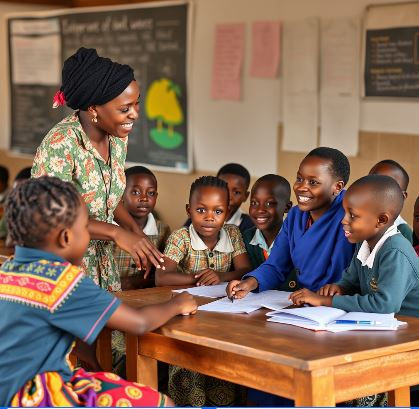
An inclusive classroom values the unique backgrounds, experiences, and abilities of every student, celebrating differences and providing necessary support for success. Fostering inclusion is especially crucial to addressing the needs of children with special needs alongside their peers.
To create this environment, educators must be aware of their students' various learning styles and challenges through academic testing, surveys, and observations to tailor the learning experience based on their strengths and support areas. This understanding not only leads to better academic outcomes but also contributes to the social development of students, allowing them to build empathy and respect for one another.
Inclusive Education Policies in African Countries
Many African countries have recognized the importance of inclusive education and have implemented various policies and initiatives to promote inclusivity in their educational systems. Here are some notable examples:
South Africa: The South African Schools Act (1996) and the Education White Paper 6 (2001) emphasize the need for inclusive education. The policy framework encourages the integration of learners with disabilities into mainstream schools and promotes the development of support services.
Nigeria: The National Policy on Education (2004) includes provisions for inclusive education, aiming to ensure that all learners, regardless of their backgrounds or abilities, have access to quality education. The Universal Basic Education (UBE) program also supports inclusive practices.
Kenya: The Special Needs Education Policy (2009) aims to provide quality education for all learners, including those with disabilities. It focuses on the development of inclusive schools and community-based programs to support diverse learners.
Tanzania: The Education and Training Policy (2014) recognizes the right to education for all children and promotes inclusive education as a means of addressing barriers to learning. The policy encourages the adaptation of curricula and teaching methods to meet diverse needs.
Ghana: The Inclusive Education Policy (2015) outlines a commitment to ensuring that all children, including those with disabilities, have access to education. The policy emphasizes teacher training and the need for resource allocation to support inclusive practices.
Efforts to Promote Inclusive Education
In addition to national policies, various efforts are being made at different levels to promote inclusive education across Africa:
Teacher Training: Many countries are investing in professional development programs for teachers to equip them with the skills necessary to create inclusive classrooms. This includes training on differentiated instruction and understanding diverse learning needs.
Community Engagement: Engaging families and communities in the education process is crucial for fostering an inclusive environment. Programs that raise awareness about the importance of inclusive education help to reduce stigma and promote acceptance.
Partnerships with NGOs: Non-governmental organizations play a vital role in advocating for inclusive education, providing resources, and implementing programs that support marginalized groups, including children with disabilities.
Access to Resources: Governments and organizations are working to improve access to educational materials and resources that cater to diverse learners, including assistive technologies and adapted learning materials.
Policy Implementation and Monitoring: Continuous monitoring and evaluation of inclusive education policies are essential to ensure their effectiveness. Stakeholders are encouraged to assess progress and make necessary adjustments to improve inclusivity in schools.
By implementing these policies and efforts, African countries are taking significant steps toward creating inclusive educational environments that cater to the diverse needs of all learners. This not only enhances individual learning experiences but also contributes to the broader goal of equitable education for all.
Strategies for Promoting Inclusion
To foster an inclusive classroom environment in Africa, educators can implement several strategies:
Collaborative Learning: Encourage group work and peer support, allowing students to learn from each other and build social connections.
Flexible Teaching Methods: Use a variety of teaching approaches to cater to different learning styles and abilities, such as visual aids, hands-on activities, and technology integration.
Community Engagement: Involve parents and local communities in the educational process, creating a support network for students and enhancing their sense of belonging.
Professional Development: Provide training for teachers on inclusive education practices, equipping them with the skills needed to address diverse classroom needs effectively.
Implementing Inclusive Teaching Strategies
Effective teaching strategies are essential for an inclusive learning environment. They should be flexible, adaptable, and engage all students. Technology, such as educational software, supports inclusivity by allowing students to learn at their own pace and accommodating different learning styles.
Examples of inclusive teaching strategies include:
Differentiated Instruction: This approach tailors teaching methods to meet the varying needs of students. Teachers can modify content, process, and products based on student readiness, interests, and learning profiles.
Universal Design for Learning (UDL): Employing UDL means providing multiple means of representation, engagement, and action to ensure that all students can access and participate in the learning effectively.
Social Emotional Learning (SEL): Incorporating SEL into the curriculum helps students develop awareness of their emotions, build empathy, and enhance their relationships with peers.
Incorporating these strategies allows students to thrive, showcasing their unique abilities and fostering a more inclusive atmosphere.

Evaluating and Reflecting
Fostering inclusion is an ongoing process. Regular evaluation and reflection on your teaching practices will help to identify what works and what may need adjustment. Gather feedback from students, colleagues, and parents to assess the effectiveness of your inclusive strategies.
Actionable steps include:
Regular Assessments: Continuously assess student progress and adjust instructional strategies as needed to better meet diverse needs.
Professional Development: Stay informed about the latest research and best practices in inclusive education through workshops, seminars, and reading relevant literature.
Peer Collaboration: Engage with colleagues to share insights and resources on fostering inclusive classrooms, fostering a culture of collaboration among educators.
In practising reflective teaching, educators not only enhance their methods but also show students that learning is a lifelong journey, embracing growth and change.
Conclusion
Creating an inclusive classroom in Africa is not only beneficial for individual students but also enriches the educational experience for all. Fostering inclusion requires commitment from everyone in the educational community. By implementing effective teaching strategies, creating a supportive environment, and reflecting on your practices, you can significantly impact student learning and engagement.
Small changes can lead to significant transformations. As educators, efforts today will lay the foundation for a more equitable and compassionate future for all students.


Comments